Assortment Planning in Fashion and Luxury: Start with the Decision
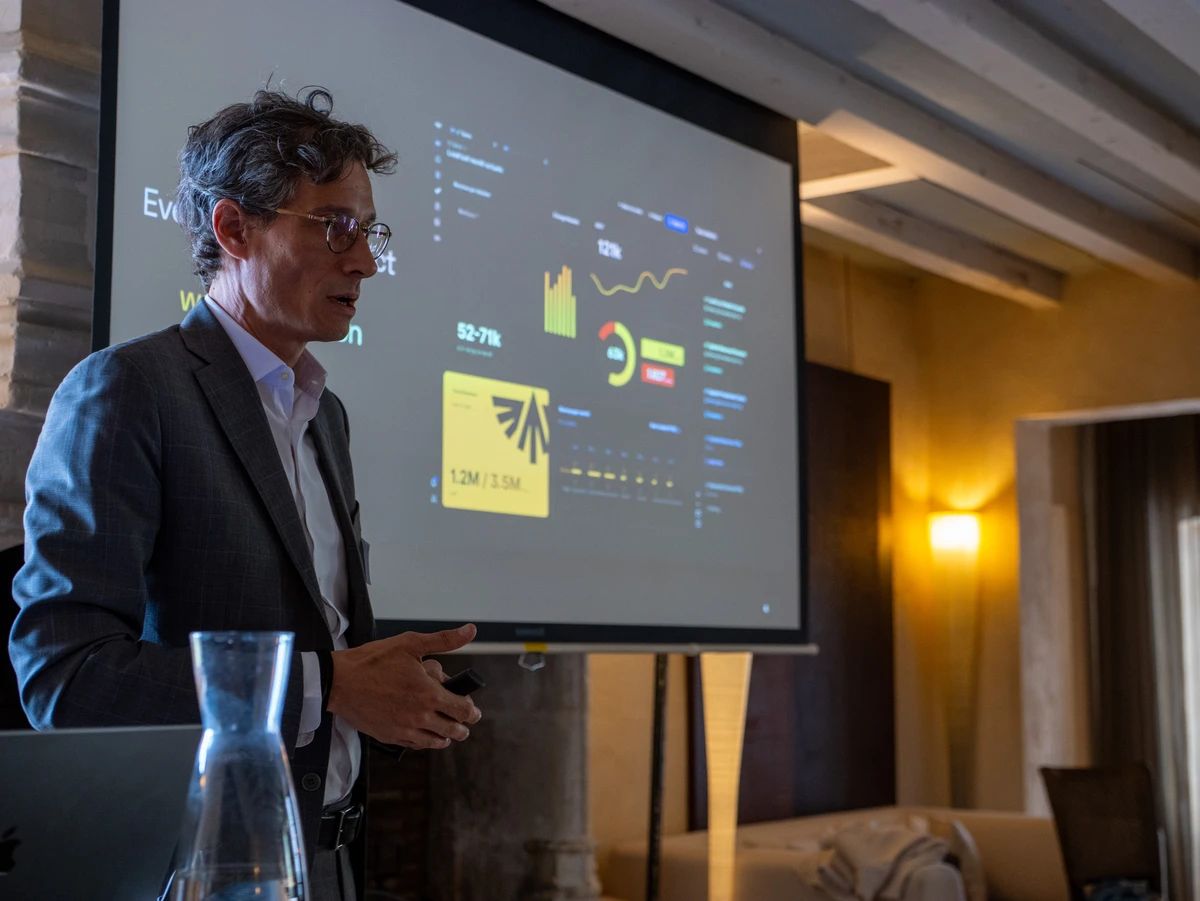
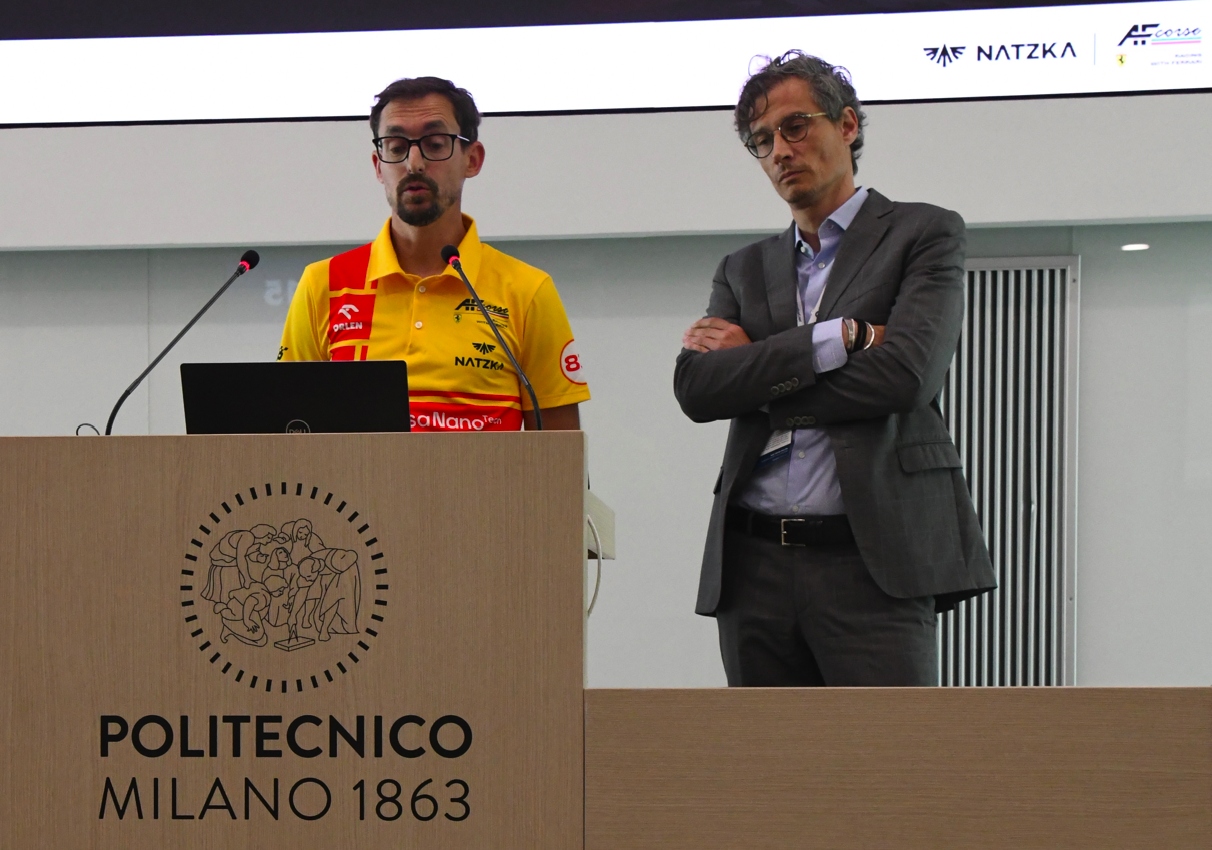
At a recent Fashion & Luxury industry event in Nyon, we asked: what if better assortment planning in fashion and luxury started with the decision, not the data? Fashion and Luxury companies have never had more data. Yet planning still lives in spreadsheets, dashboards, and meetings. The logic behind the final call is hard to structure, explain, and repeat.
Every unsold product started with a decision
Assortment management is a chain of decisions: which products enter the collection, which stores receive them, and which sizes take priority.
Go too broad, and you carry inventory and markdown risk. Go too narrow, and you lose sales and weaken the customer experience. So the real challenge is not producing a plan, but producing one that reflects business rules, local knowledge, and financial targets.
Why data first is not enough
The conventional sequence is familiar: data, dashboard, discussion, manual decision. It shows what happened, not what should happen next. Business logic stays hidden in spreadsheets, ownership is unclear, and approvals travel by email. Adding AI on top of a fuzzy workflow just makes an inconsistent process move faster.
A decision-first approach to assortment planning in Fashion and Luxury
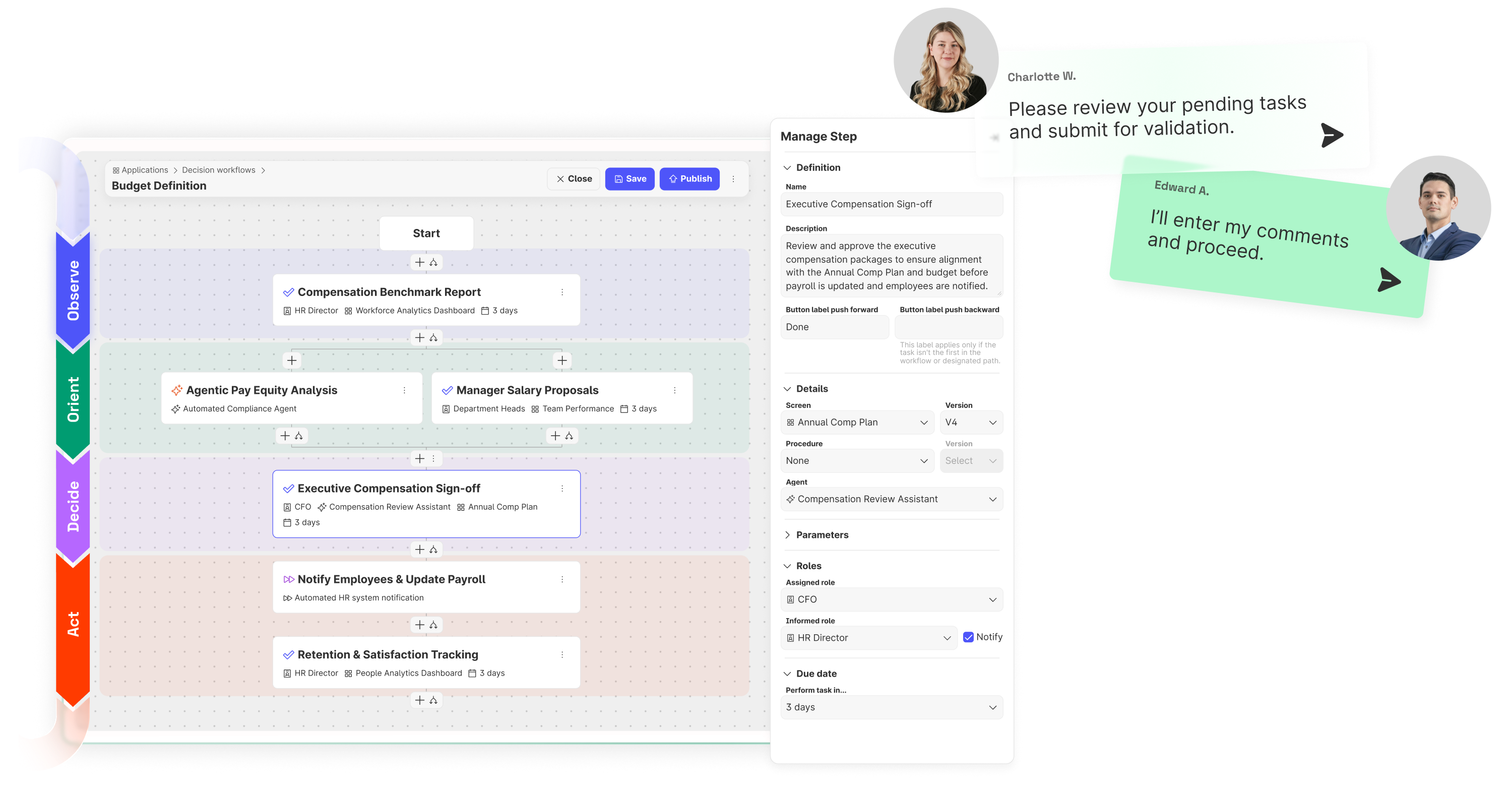
We propose a different order: decision first, then data, then AI. Identify the recurring decisions that shape the assortment. For each one, define the question, the owner, the rules, and the action that follows.
Then model the workflow around them: brand guidelines, store capacity, open-to-buy limits, and SKU-level allocation rules. These belong in one governed, traceable process, not in scattered tools and memory. The goal is not another dashboard, but a validated assortment that can be approved, executed, monitored, and improved.
Where AI adds real value
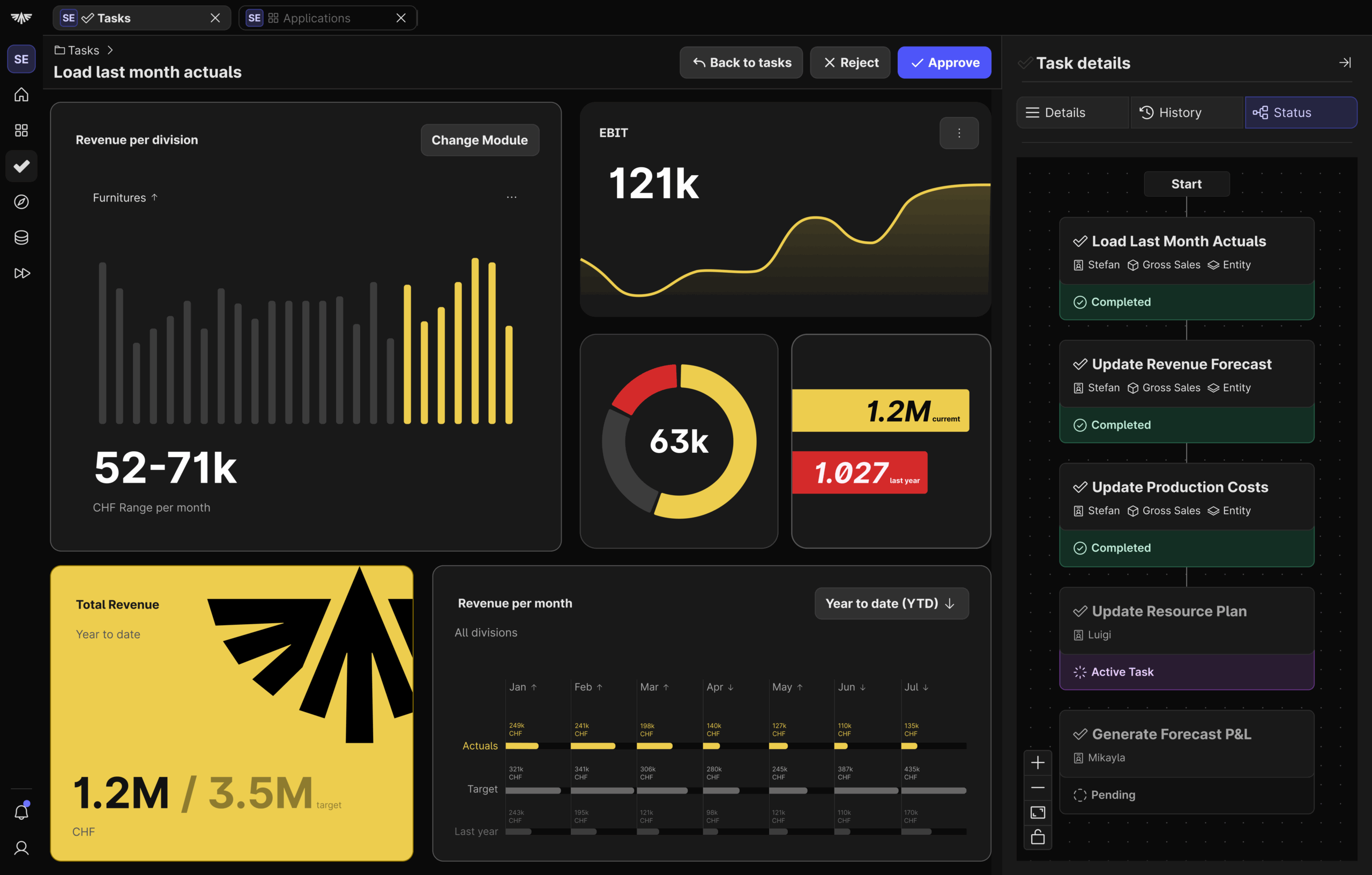
Once the context is clear, AI becomes genuinely useful. Planners can ask, in plain language, which products to prioritise for each store cluster. AI explains the drivers, compares options, flags exceptions, and triggers the next step: an approval or a stock reallocation.
Human oversight stays essential wherever decisions touch brand positioning or financial exposure. AI is not there to replace judgment, but to make context easier to access, understand, and act on.
From planning to execution
The message from Nyon: a plan only matters once it connects to execution. With data, business logic, ownership, and approvals in one shared environment, we help fashion and luxury companies replace fragmented assortment planning with structured decision execution.
Because better assortment planning in fashion and luxury does not begin with more data.
It begins with defining the decision to be made.